
Anyone researching used golf cart cost figures quickly learns there is no single number that applies to every cart. Age, battery type, brand, and overall condition all shift what a buyer should expect to pay.
Understanding these factors before you shop puts you in a stronger position at the negotiating table. A dealer who explains pricing clearly, such as the team at golf cart dealer hawaii shoppers often turn to, helps buyers see exactly what drives the cost of any given cart.
What Determines the Cost of a Used Golf Cart?
A used cart’s value comes from a mix of factors working together rather than any single detail. Buyers who understand these factors avoid overpaying and spot a fair deal faster. For a deeper breakdown of pricing trends, you can also explore this detailed guide on used golf cart prices
The biggest drivers behind used golf cart cost include age, battery condition, brand reputation, and any upgrades already installed. A cart with a fresh battery pack and low hours holds far more value than an older model with worn components, even if both look similar from the outside.
Seating capacity and body style also play a role. A basic two-seat model typically costs less than a stretched six-seat cart, since larger frames use more materials and stronger motors to handle the extra weight and passengers.
Age and Mileage Considerations
A cart’s age affects nearly every part of its value, from the battery to the frame itself.
How Age Affects Value
Older carts generally cost less upfront, but they often need more repairs sooner. Buyers comparing used golf cart prices across different ages should weigh the lower initial cost against likely near-term maintenance needs.
Hours of Use Matter Too
Golf carts do not track mileage the way cars do, so many sellers track hours of use instead. A cart with fewer hours has typically seen less wear on its motor, brakes, and suspension, which supports a stronger asking price even if the cart itself is a few years old.
Battery Type and Condition
Batteries represent one of the largest cost factors in any used cart, since replacing them adds a real expense on top of the purchase itself.
Lead-acid batteries remain common in older carts and tend to need replacement sooner than lithium options. Lithium batteries cost more upfront but last considerably longer and charge faster, which shifts the overall value equation for buyers weighing long-term ownership costs.
Ask any seller directly how old the batteries are and whether they hold a full charge. A cart with a tired battery pack should sell for less, since the buyer will likely need to budget for a replacement soon after purchase.
Brand and Build Quality
Not every golf cart brand holds its value the same way, and build quality shows up clearly once a cart has a few years of use behind it.
Established brands with a strong reputation for durability tend to command higher resale prices, since buyers trust that parts and support will remain available. Lesser-known brands sometimes offer a lower entry cost but can be harder to service down the line if parts become scarce.
Buyers exploring used golf carts for sale should compare frame construction, motor quality, and available service history across brands rather than focusing on appearance alone. A cart that looks clean on the surface can still hide a weak motor or a frame with hidden rust.
Comparing New vs Used Golf Carts
Deciding between new and used comes down to how much you value warranty coverage against upfront savings.
A new cart carries a full warranty and no prior wear, which appeals to buyers who want peace of mind. A used cart usually costs less to start, though it may need sooner attention to batteries, tires, or upholstery. Weighing these trade-offs against your budget and how long you plan to keep the cart helps clarify which route makes more sense.
Where Seating Capacity Fits Into the Price?
Passenger capacity changes the frame size, motor strength, and materials needed, which all feed into the final price.
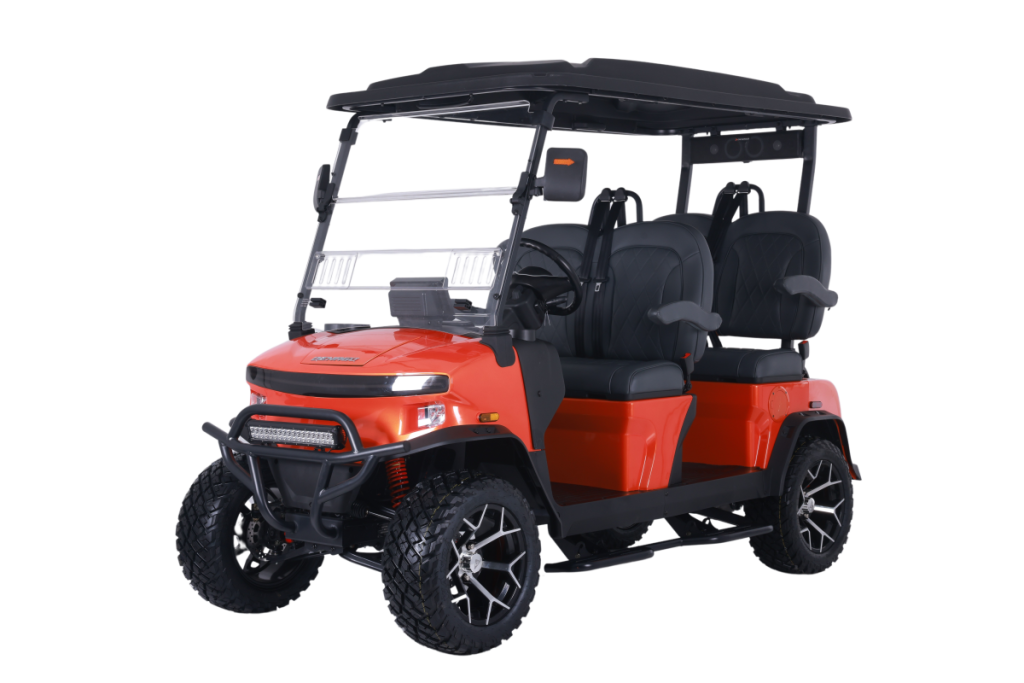
A 6 seat golf cart for sale typically costs more than a compact two-seat model, since it demands a longer frame, a stronger motor, and additional seating hardware. Families or resort operators who need to move larger groups should factor this extra cost into their budget from the start. Anyone comparing options across seating sizes can look at a larger seating model to see how capacity affects the overall build.
Speed, Terrain, and Added Features
A cart built for hills or higher speeds often costs more than a basic model meant for flat, short trips.
Buyers planning to use their cart on sloped terrain should look closely at motor strength and torque ratings, since underpowered carts struggle on inclines and wear out faster under strain. Checking terrain speed guidance ahead of time helps set realistic expectations for how a given cart will perform once you own it.
Extra features such as upgraded seating, custom wheels, or weatherproofing also add to the overall value of a used cart. These additions raise the asking price but can make daily use noticeably more comfortable.
Maintenance History and Its Impact on Value
A cart with a documented service history tends to sell faster and hold its value better than one with no records at all.
Ask a seller whether the cart has been through regular servicing and request any records available. A well-maintained cart with documented brake checks, battery care, and tire rotations gives buyers confidence that the cart has been looked after properly.
Sellers who can show consistent maintenance often justify a stronger asking price, since the buyer takes on less risk of hidden problems. Skipping this step can leave a buyer facing unexpected repair costs shortly after purchase.
How to Get a Fair Deal on a Used Cart?
Doing a bit of homework before you buy puts you in a much stronger position once negotiations start.
Steps worth taking before you commit:
- Compare several listings to understand a realistic price range
- Ask for battery age and any service records
- Test drive the cart on flat and sloped ground if possible
- Check tires, brakes, and upholstery for wear
- Confirm what accessories or upgrades come included
Following updates from local sellers, including recent listings, can also help buyers spot new inventory as soon as it becomes available.
Frequently Asked Questions
1. What is the biggest factor affecting used golf cart cost?
2. Do gas carts cost differently than electric ones?
3. Is it worth buying an older cart if the battery is new?
4. How much does seating capacity affect price?
5. Should I ask for maintenance records before buying?
Final Thoughts
Understanding used golf cart cost comes down to weighing age, battery condition, brand quality, and seating capacity together rather than judging by appearance alone. Buyers who ask the right questions and check maintenance history put themselves in a strong position to find a cart that fits both their needs and their budget.
If you would like help finding a used cart that matches your needs, contact the team at 808 Golf Carts. Reach Sales at 808-795-3800 or Parts & Service at 808-318-4354, or visit the showroom at 300 Ohukai Rd Unit B205, Kihei, HI 96753.